We take the whole corner nobody wants to deal with
The pile behind the racking that has been growing since the last inventory. The pallets stacked six high by the door. Four years of mixed boxes. We sort it, buy what has value, and hand you one settlement.
Request a warehouse cleanouts quote
Tell us what you have or what you need. A real person in Houston reads every one of these — usually within a couple of hours during dock time.
What a cleanout usually involves
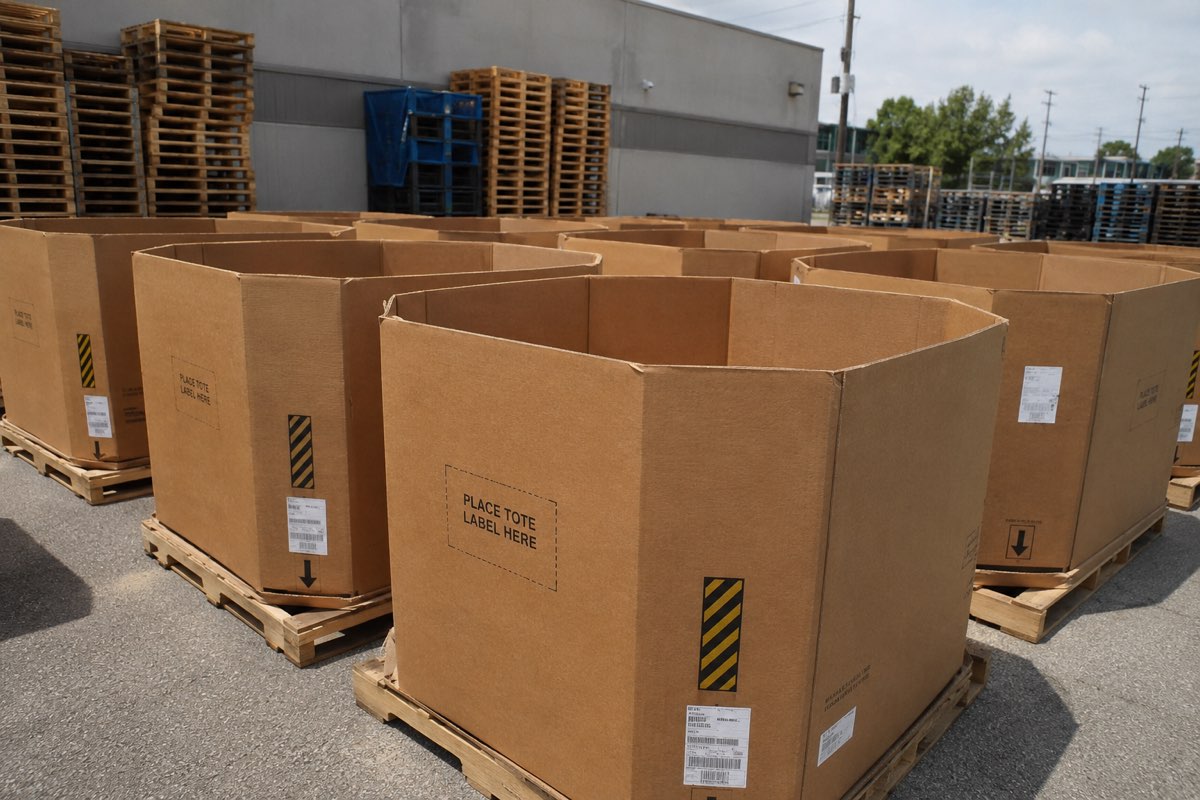
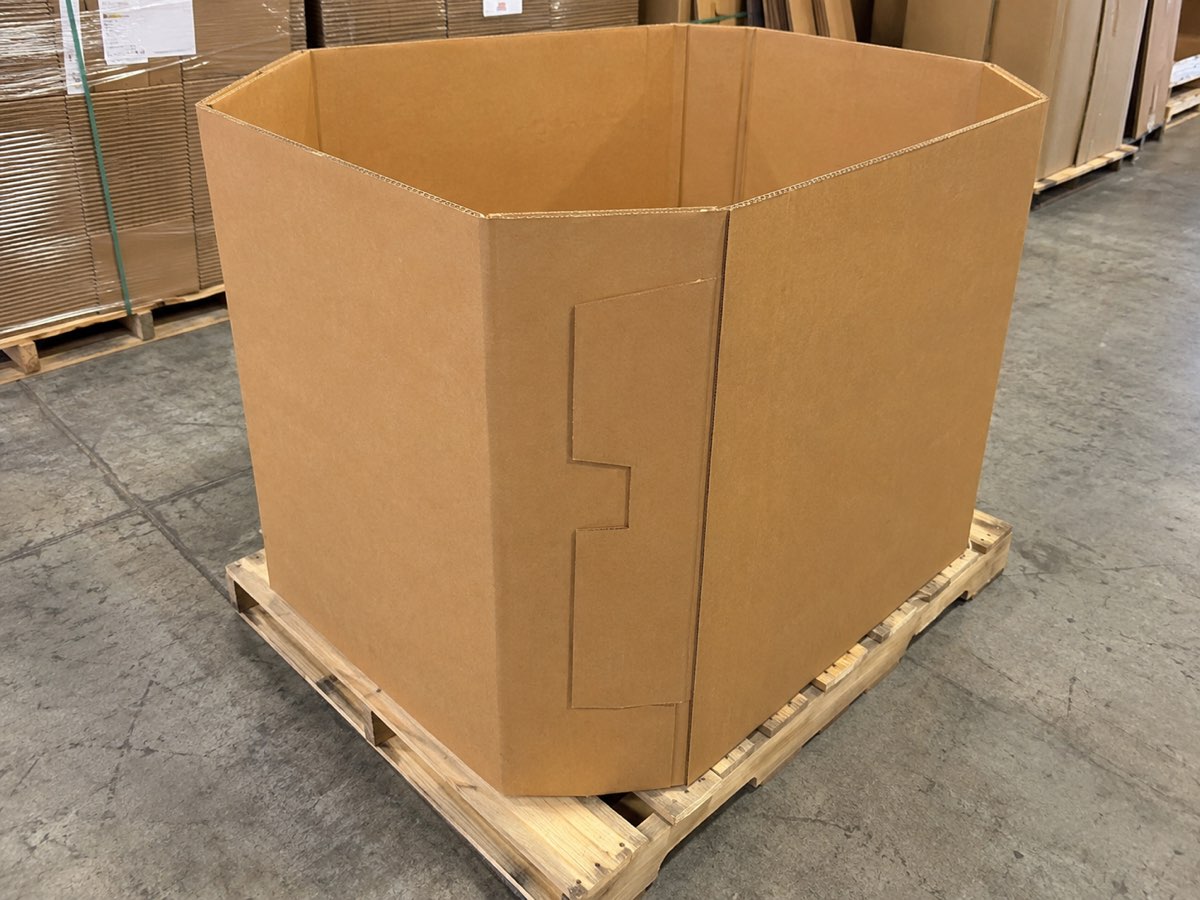
- Mixed used bulk boxes in every grade and condition, usually unsorted.
- Pallets — GMA, odd-size, broken, and the plastic ones somebody put in the wrong pile.
- Loose corrugated, cardboard scrap and packaging offcuts.
- Liners, film, banding and the plastic that came off the last load.
- Occasionally, boxes that turn out to be worth more than the cleanout costs.
How the settlement works
We quote the haul, and everything with value gets credited against it. Frequently the credit exceeds the haul cost and the cleanout ends with us paying you — that happens most often when the pile has a lot of Grade A and B boxes in it that were written off because they looked untidy stacked together.
| Line | How it is handled |
|---|---|
| Grade A / B / C boxes | Purchased per box by grade, credited |
| Baled or loose corrugated | Purchased by the ton on a certified ticket |
| Pallets | Purchased per pallet by grade |
| Film and plastic | Sorted to its own market where volume justifies it |
| Contaminated or wet fiber | Disposal at cost, documented separately |
| Labour and equipment | Quoted up front, fixed |
On-site or off-site sorting
For most jobs we sort at our yard — it is faster, we have the grading line, and it keeps your dock clear on day one. Where a facility needs material characterised before it leaves (common under environmental permits or when a lease is ending), we will sort on site and document each stream before it loads.
Timing
Metro Houston cleanouts are usually scheduled within a week; urgent lease-end jobs we will work into the schedule where we can. A typical single-dock cleanout is one trailer and half a day. Multi-trailer jobs run over consecutive days so your dock is never fully blocked.
End of lease, plant closure, line change
These are the three calls we get most. All three share a deadline and a lot of material of uncertain value. Send photographs of the piles — even bad ones from across the warehouse — and we can usually tell you within a day whether you are looking at a bill or a cheque.
How it runs, start to finish
Send photos
Wide shots of each pile, plus a rough footprint. Precision is not required at this stage.
Walk-through or remote quote
Metro jobs we will come look. Outside the metro, photographs and a materials list are usually enough.
Fixed quote
Haul cost, estimated credits by category, disposal itemised. One page.
Clear the site
Typically half a day per trailer. Sorting on site only where you need material characterised before it leaves.
Settle
Grades, counts and certified weights documented. Net figure, either direction.
Warehouse Cleanouts — common questions
Do you charge for a cleanout?
It depends what is in the pile. Often the value of the material covers the haul and you end up net positive. We tell you which side of the line you are on before anything moves.
How fast can you come?
Metro Houston usually within a week. Lease-end deadlines we will work with — tell us the date in the message field.
Do you take non-corrugated material?
Pallets, film, banding and packaging plastics, yes. General waste, chemicals and equipment are outside what we do, and we will say so rather than take the job and subcontract it.
What if the material is wet?
Wet fiber has no market value and costs money to dispose of. We will still take it, but it appears as a disposal cost rather than a credit, and it will be itemised.