Field notes from the dock
Seven pieces on the parts of this trade that cost people money: grading, freight, wall count, closed loops and what actually happens to a box at the end.
Get a written quote in one business day
Tell us what you have or what you need. A real person in Houston reads every one of these — usually within a couple of hours during dock time.
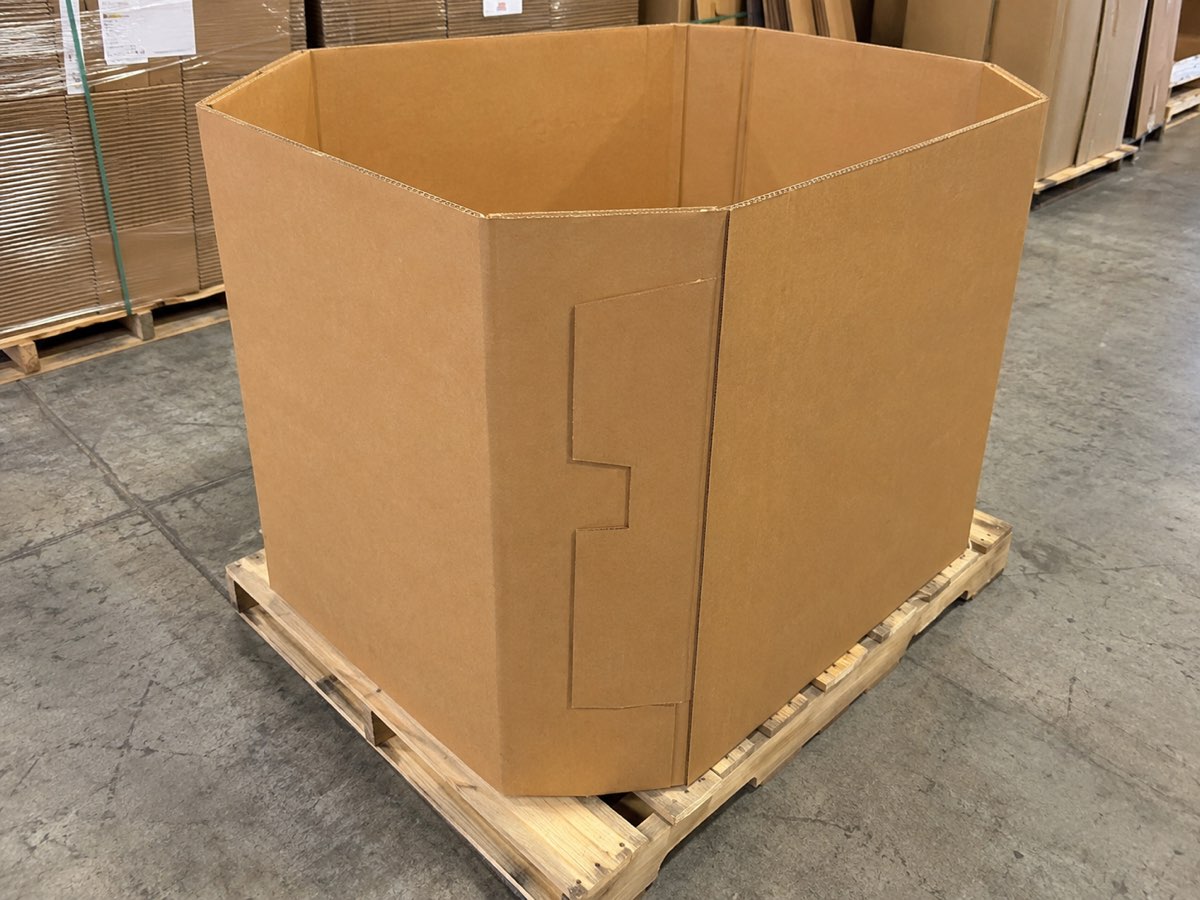
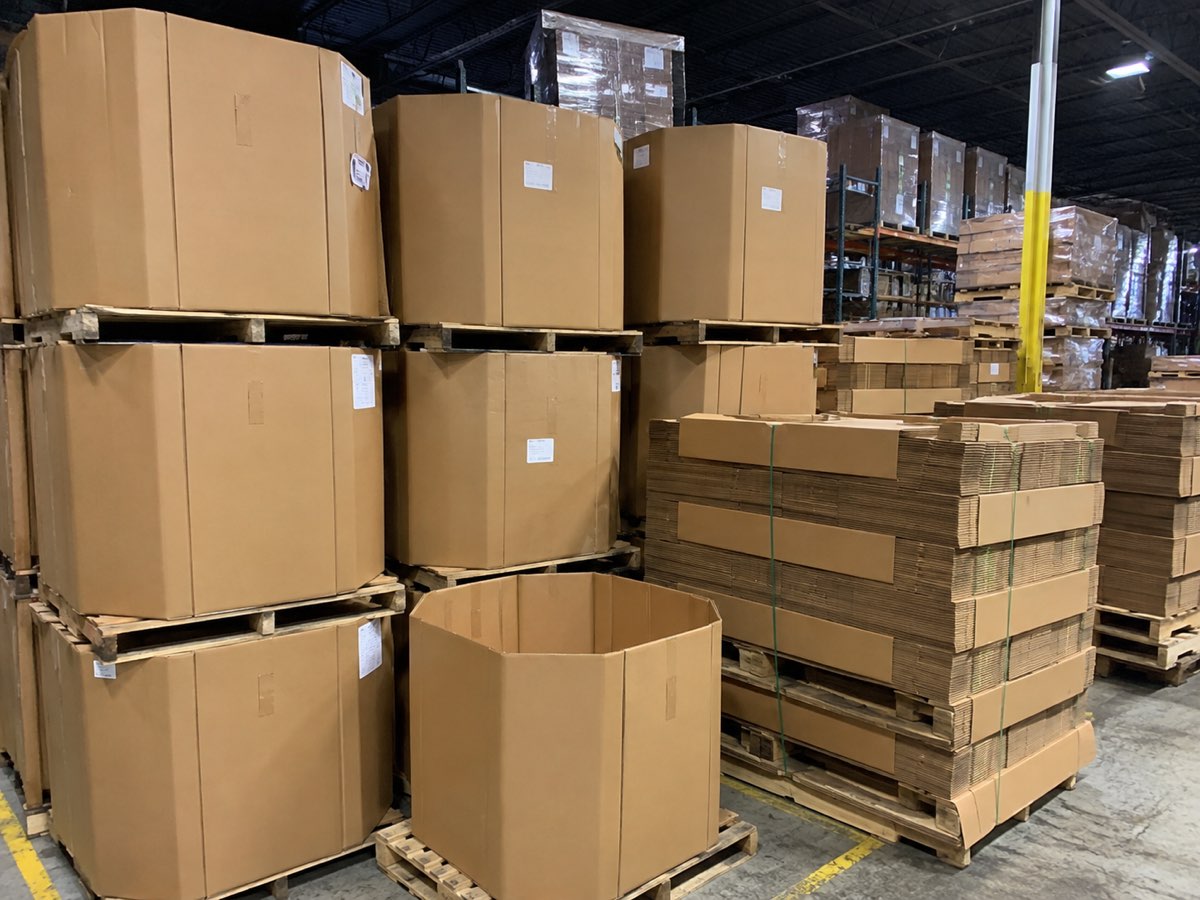
Used vs. new gaylord boxes: the honest comparison
A used Grade A gaylord box costs 35–55% of new and carries the same load in practice. Where used wins, and the three cases where it does not.
Operations · 6 minHow to grade a gaylord box in 90 seconds on your own dock
A repeatable six-point inspection your dock team can run in a minute and a half: corners, bottom, walls, flaps, moisture and odour.
Logistics · 8 minThe freight math nobody shows you: why the empty leg costs more than the box
A 53-foot trailer holds about 480 knocked-down 48×40×36 gaylord boxes. How to calculate landed cost per box, and why buying local beats cheap.
Specification · 7 minWall count, edge crush, and the myth of the 5-wall box
2-wall, 3-wall, 4-wall and 5-wall gaylord boxes explained: what each holds, how edge crush values work, and why more walls is often wrong.
Programs · 8 minClosed-loop container programs: what actually makes them work
Reusable gaylord box pools cut packaging spend 40–60% when designed right. The four things that decide whether a closed loop actually works.
Sustainability · 6 minWhat happens to a gaylord box after its last trip
Follow a retired gaylord box from the grading line through baling, the OCC market and the mill — plus the four things that get a bale rejected.
Comparison · 7 minGaylord box vs. plastic bulk bin vs. IBC tote: choosing the right container
A direct comparison of corrugated gaylord boxes, plastic bulk bins and IBC totes across cost, capacity, lifespan, freight and end of life.
Articles — common questions
What do these articles cover?
Specification, grading, freight, storage and the economics of bulk corrugated — written by the people who grade, load and haul the boxes rather than by a marketing department.
Do I have to be a customer to read them?
No. Nothing here is gated and nothing asks for an email address. Read the lot without ever speaking to us if that is what you need.
Are the numbers specific to Houston and the Gulf Coast?
Often, and we say so when they are. Humidity alone costs corrugated roughly half its compression strength at 90% relative humidity, which changes what a box rating actually buys you here.
Where do I go for shorter answers?
The FAQ collects the questions we are actually asked, and the glossary defines every term. The size chart has the raw numbers if that is all you came for.
Can I suggest a topic?
Yes. Most of what is here started as a question somebody sent us, so if you could not find an answer, that is usually a gap worth filling.