How to grade a gaylord box in 90 seconds on your own dock
A repeatable six-point inspection your dock team can run in a minute and a half: corners, bottom, walls, flaps, moisture and odour.
Have a question this raised?
Tell us what you have or what you need. A real person in Houston reads every one of these — usually within a couple of hours during dock time.
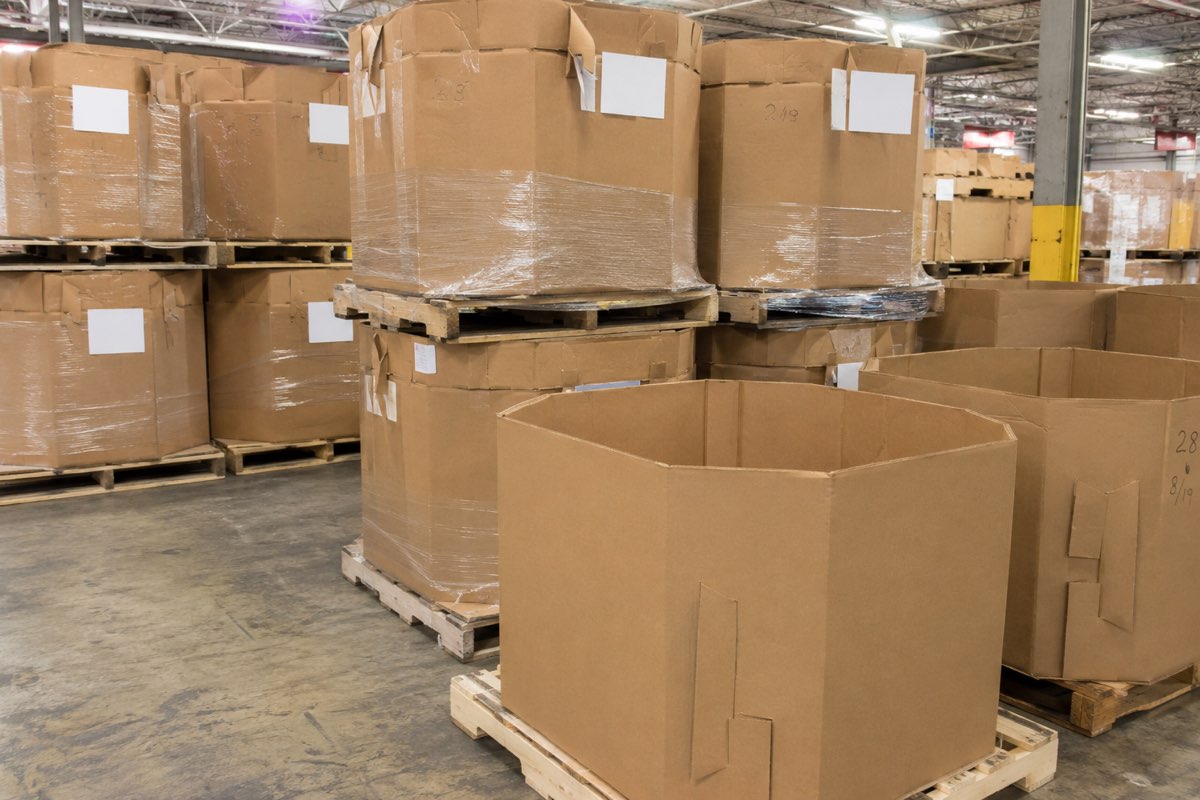
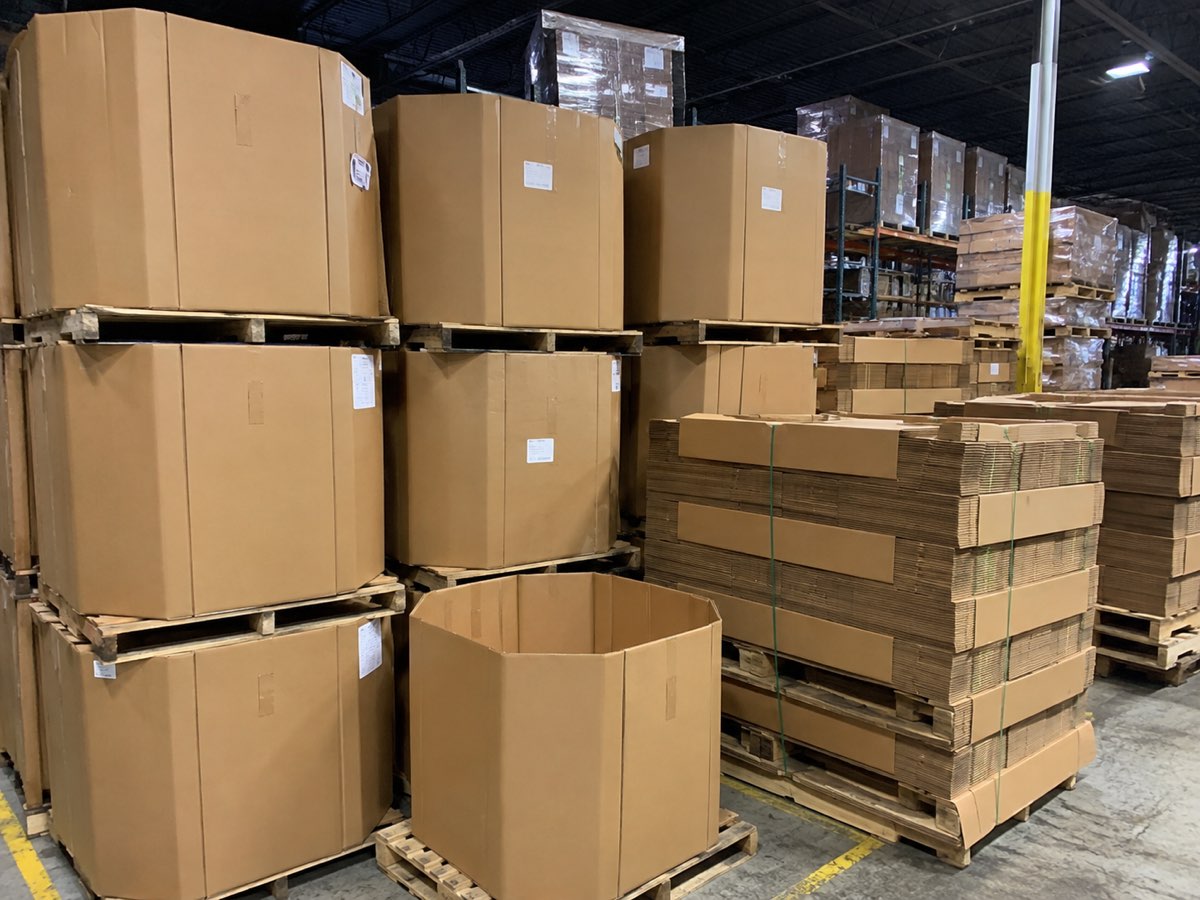
Most warehouses grade boxes by feel, which means every person grades differently and nobody can explain the difference to a buyer. Here is the sequence we train on our own yard. It takes about ninety seconds per box once it is muscle memory, and it produces the same answer regardless of who is holding the clipboard.
Set the box up first
Stand the box empty on a flat surface, flaps up. If it will not stand on its own, stop — that box is Grade C at best and probably scrap. A box that cannot hold its own shape empty will not hold 1,800 lb full.
The six points, in order
1. Corners (the most important 10 seconds)
Run your hand down all four vertical corners. You are feeling for softness, rounding and delamination. Corners carry roughly 60–70% of a stacked compression load; a soft corner means the box is done as a stacking container regardless of how the rest of it looks. Squeeze each corner between thumb and forefinger — it should feel like a board, not like a folded towel.
2. Bottom seam
Tip the box and look at the bottom from underneath. You want intact glue or staples, no bulge, no separation at the fold. A bulged bottom means the box has been overloaded before, and the flutes down there are already crushed. Bulged bottom is an automatic downgrade to C.
3. Wall integrity
Look across each wall at a shallow angle with light behind it. Crush shows up as a shadow line. Count cuts and patches: zero is A, one or two properly patched is B, three or more is C. A cut that has been taped rather than patched counts as a cut, not a repair — tape holds nothing in compression.
4. Flaps
All four flaps present and folding cleanly at the score line. Torn flaps do not affect load rating but they do affect whether a lid will seat and whether the box can be stacked without a cap. Missing flaps drop a box one grade.
5. Moisture
Press your palm flat against the inside of a wall for two seconds. Damp is obvious. What you are really looking for is the tide line — a wavy discoloured band that means the box stood in water at some point. Even bone dry, a box with a tide line has lost strength permanently through fiber swelling and re-drying.
6. Odour
Put your head in the box. Solvent, food, mildew, chemical sweetness — any of these means the box carries residue that will transfer to your next load. Odour is an automatic scrap call in food, pharma and consumer goods. In industrial use it is a judgement call, but it is never a Grade A box.
Turning the inspection into a grade
| Findings | Grade | What it is good for |
|---|---|---|
| No defects on all six points | A | Outbound, customer-facing, resale |
| 1–2 clean patched repairs, square corners, dry | B | Internal WIP, collection, transfer |
| 3+ repairs, minor crush, still self-standing | C | One-way scrap and debris moves |
| Soft corners, bulged bottom, or will not stand | Scrap | Bale it — you will get paid by the ton |
| Wet, mould, odour, pest evidence | Scrap | Bale separately, tell the mill |
Why bother grading at all
Two reasons, both financial. First, ungraded boxes sell for scrap price. A pallet of mixed boxes is worth the weight of its cardboard; the same pallet sorted into A, B and C is worth three to eight times that. Second, if you are buying, an ungraded load means you are paying A prices for a mix and finding out on your own dock.
If you would rather not train a crew on this, we will do the grading. We buy mixed loads sight-unseen at a blended rate, or we grade on your floor and pay by category — most customers on standing routes go with the second option once they see the spread.
Common questions on this topic
What is the short version of "How to grade a gaylord box in 90 seconds on your own dock"?
Grade a box by checking six things in order: corners, bottom seam, wall integrity, flaps, moisture and odour. Zero defects is Grade A. Up to two clean repairs with square corners is Grade B. Multiple repairs but standing walls is Grade C. Wet, mouldy or contaminated is scrap.
Are these numbers specific to Houston and the Gulf Coast?
Several of them are, and we flag it where it matters. Corrugated loses roughly half its compression strength at 90% relative humidity, which is most of the year here, so a board rating buys you less on the Gulf Coast than the same rating buys inland.
Where do I go for a shorter answer?
The FAQ collects the questions that actually arrive in our inbox, the glossary defines every term used above, and the size chart has the raw capacities if that is all you came for.
Can you just specify a box for my situation instead?
Yes. The Grade Decoder turns six questions about your load, storage and audience into a wall count, grade and footprint, and the quote desk will sanity-check it against what is on the yard.
Do you cover this in more depth anywhere?
The Gaylord Box Guide is the long read that puts all of this in order, and the related field notes below go deeper on the adjacent topics.