Why the used packaging market has a reputation, and what fixes it
Buyers arrive at used bulk packaging expecting disappointment, usually because they have been disappointed. Three causes and four fixes.
By Tom Brennan, Founder · 6 min read · Published June 16, 2026
Have a question this raised?
Tell us what you have or what you need. A real person in Houston reads every one of these — usually within a couple of hours during dock time.
- The three practices that cause it
- The four things that fix it
- What buyers can do
- Why we care
Used packaging has a trust problem because grade descriptions are unstandardised, samples are unrepresentative, and quoting per-unit rather than landed cost hides the real number. It is fixed by published inspection criteria, photographs of the actual lot including the worst pallet, real stock counts, and inspection rights written into the order.
- Category
- Industry
- Published
- June 16, 2026
- Written by
- Tom Brennan, founder
A meaningful share of the people who contact us open with some version of 'the last supplier sent us junk'. That is worth taking seriously rather than treating as somebody else's problem, because the reputation attaches to the category and we are in the category.
The three practices that cause it
1. Grade descriptions that mean nothing
'Good used boxes.' 'Like new.' 'A grade.' None of these is defined anywhere, so each supplier's floor has its own meaning and the buyer's is not on the list. The result is that both sides think they agreed something and neither can point at what.
This is not usually deliberate deception. It is an industry that grew up without a standards body and never developed the vocabulary. But the effect on a buyer is identical either way.
2. Unrepresentative samples
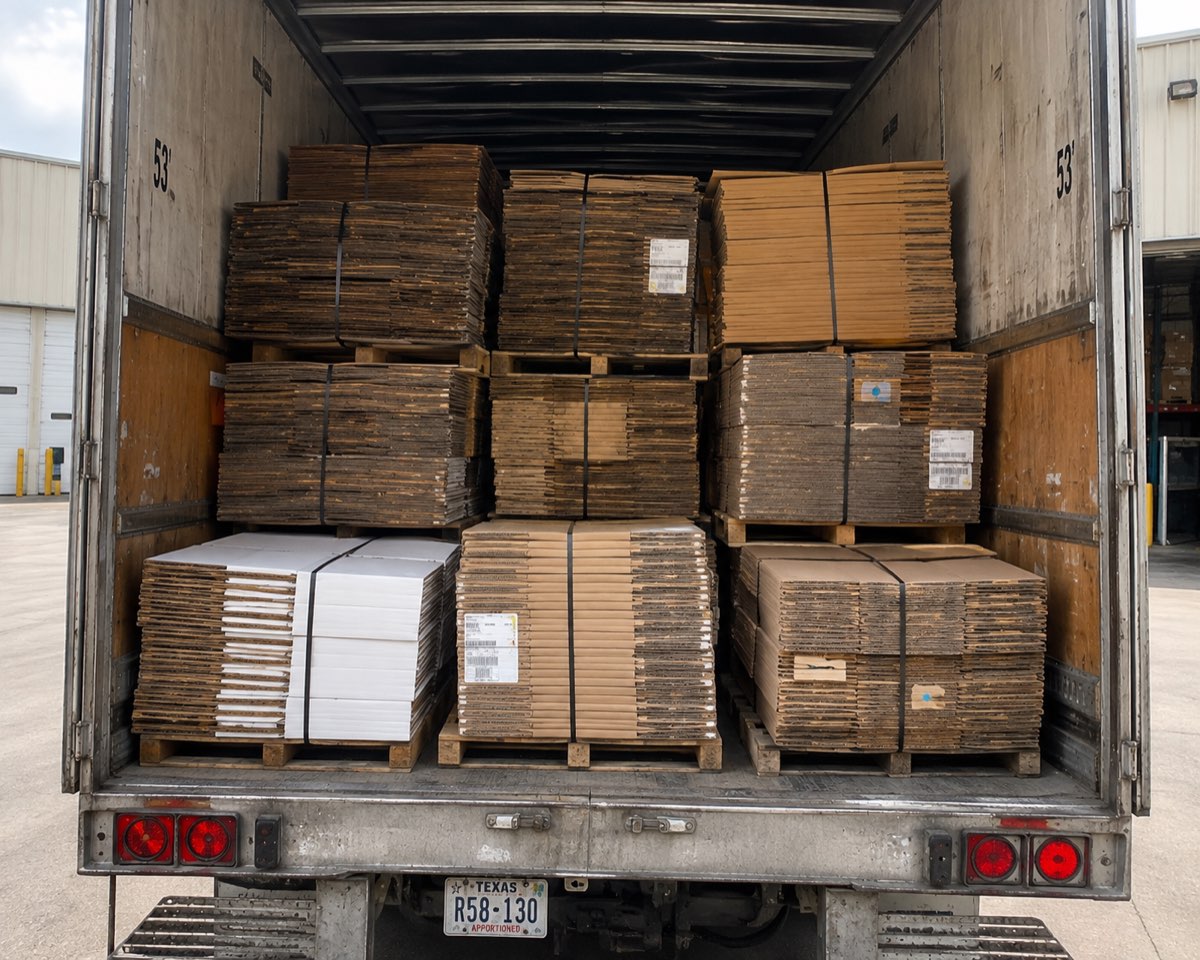
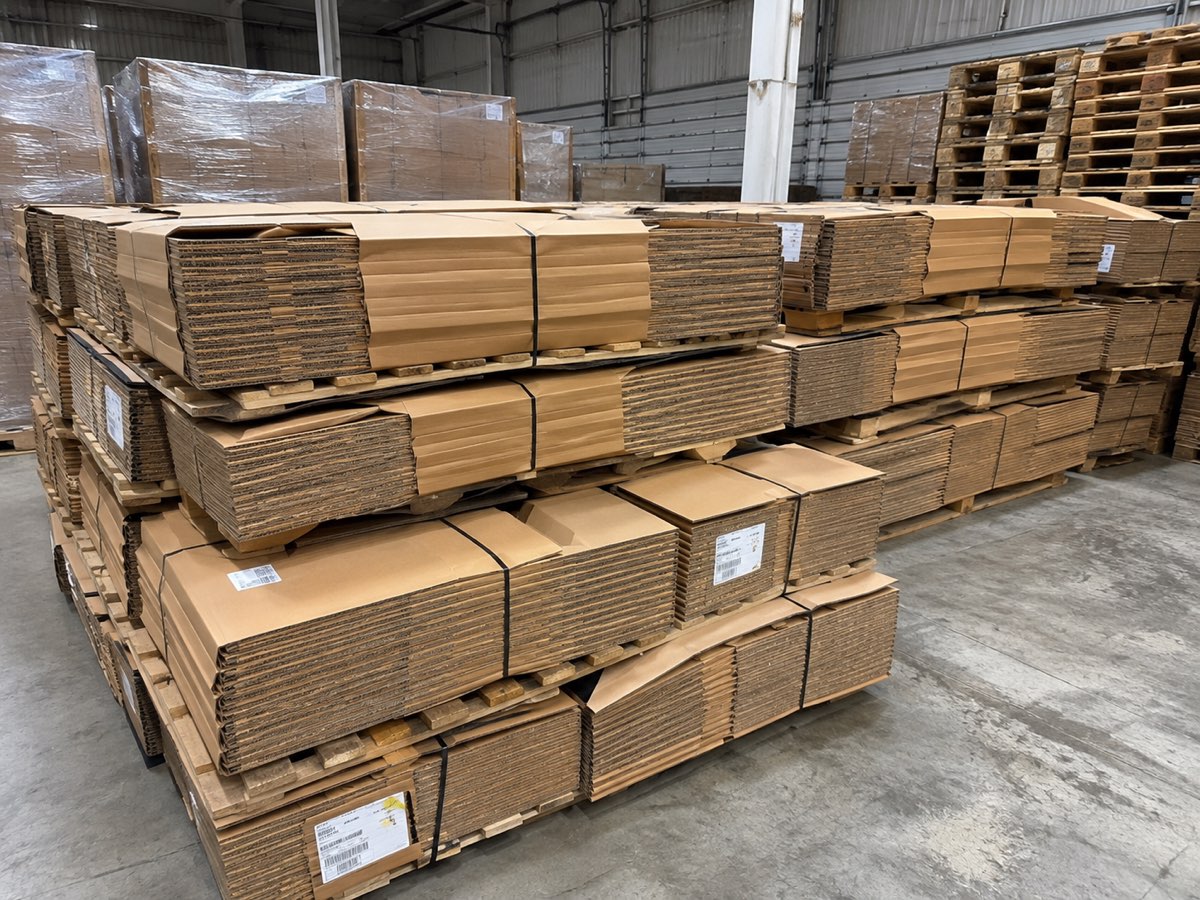
Photographs of the best pallet. A sample box hand-picked from the top of the stack. A yard visit routed past the good inventory. Every one of these is technically true and functionally misleading, and buyers learn to discount everything they are shown.
3. Per-unit quoting
A price per box with freight, accessories and minimums discovered later. The customer compares two numbers, picks the lower, and finds out on the invoice that they were not comparable. After that happens twice, they assume everyone is doing it.
The four things that fix it
1. Publish the inspection criteria
Not a marketing description — the actual pass/fail thresholds, in enough detail that a customer can run the same inspection on their own dock and get the same answer. Ours are on the website and they are attached to orders. If we call a lot Grade A and a customer's sampling says otherwise, there is something specific to compare against.
2. Photograph the worst pallet
Remote buyers get pictures of the actual lot, including the ugly side of the stack, because that is the side that carries information. We would rather lose a sale than have somebody open a trailer and find a grade they did not agree to. Losing that sale costs one order; the other thing costs a customer.
3. Give real stock counts
The number in a quote should be a count from that morning's inventory, not a catalogue figure. And when a lot sells before the customer approves, say so rather than substituting quietly. Substitution is the single fastest way to destroy a relationship in this business.
4. Write inspection rights into the order
'Buyer may inspect within five business days and reject non-conforming lots with photographs.' Any supplier confident in their grading agrees to this immediately. The reaction to that clause is more informative than any reference.
What buyers can do
- Ask for the grading standard in writing before ordering. The answer, or the absence of one, tells you most of what you need.
- Ask for photographs of the worst pallet specifically. Watch what happens.
- Ask for landed cost, itemised. Anyone serious will provide it.
- Sample 10 percent on arrival and photograph failures in situ.
- Ask whether they buy the boxes back. A supplier with a stake in the boxes lasting grades differently.
Why we care
Self-interest, mostly. Every buyer who gets burned on used packaging goes back to buying new, and that is a customer lost to the whole category — plus a few thousand boxes a year that will be manufactured when perfectly good ones already exist. The environmental argument and the commercial one point the same direction here, which does not happen often enough to waste.
- ECT
- Edge Crush Test. Pounds per linear inch a board edge withstands before buckling. The best single predictor of stacking performance.
- Grade (box)
- A condition classification for used boxes. 1A new, A one clean use, B up to two repairs, C multiple repairs, then scrap.
Tom Brennan — Founder
Written on the yard at 1050 E Richey Rd, Houston. Everyone who writes here works the grading line, the baler, the routes or the quote desk — there are no guest posts and nothing on this blog is syndicated.