Writing a box spec your supplier cannot wriggle out of
A one-page specification with eleven fields that removes ambiguity from bulk box purchasing, and the exact wording that closes each loophole.
By Priya Raman, Quote desk · 7 min read · Published May 7, 2024
Have a question this raised?
Tell us what you have or what you need. A real person in Houston reads every one of these — usually within a couple of hours during dock time.
- The eleven fields
- The three phrases that cause the most trouble
- What a good supplier will push back on
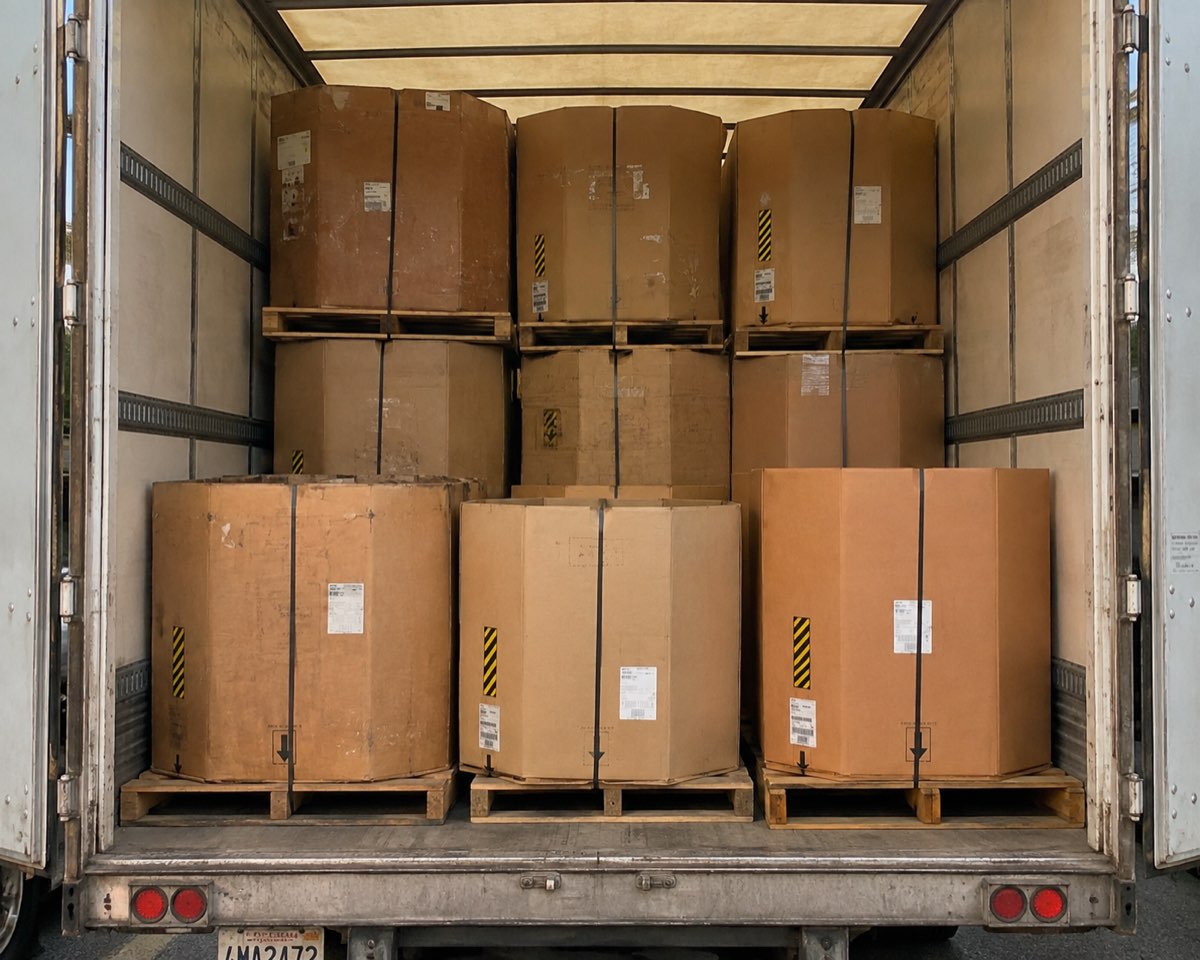
A complete bulk box specification names inside dimensions, wall count, flap style, closure, grade against a published standard, maximum repairs permitted, moisture condition, pallet compatibility, delivery form, accessories and inspection rights. Eleven fields on one page removes almost all of the ambiguity that used-box disputes come from.
- Category
- Buying
- Published
- May 7, 2024
- Written by
- Priya Raman, quote desk
Disputes over used boxes almost never come from bad faith. They come from two parties using the same words to mean different things. A written specification fixes that cheaply, and it takes about twenty minutes once.
The eleven fields
1. Inside dimensions
Length × width × height, marked 'ID'. State the tolerance you will accept — plus or minus half an inch is normal for used stock and unnecessary for new.
2. Wall count
'3-wall (tri-wall) minimum' rather than '3-wall'. Minimum wording means a heavier box is conforming, which happens on used lots and is a benefit rather than a problem.
3. Flap style
RSC, full overlap, half-slotted with separate cap, or sleeve. If you do not care, say 'any, provided all four flaps are present and fold at the score' — that phrasing is what stops torn-flap boxes arriving.
4. Closure and lid
Whether lids are included, and which type. Telescoping lids and flat pallet caps are not interchangeable, and the difference matters in the rain.
5. Grade, against a published standard
The critical field. Write: 'Grade A per supplier's published inspection criteria, a copy of which is attached to this order.' Attach it. Now the standard cannot change after delivery.
6. Maximum repairs permitted
Even inside a grade, state it: 'No cuts or patches' for A, 'Maximum two glued corrugated patches; taped-only repairs not accepted' for B. The tape distinction is where most B-grade arguments live, because tape holds nothing in compression.
7. Moisture condition
'Dry, no tide lines, no odour.' Three words that reject a meaningful percentage of what circulates in this market.
8. Pallet compatibility
Name the pallet: 48 × 40 GMA, or 48 × 48, or whatever you run. Add 'no overhang' explicitly. One inch of overhang costs roughly 20 percent of stacking strength, and it costs it at the corners.
9. Delivery form
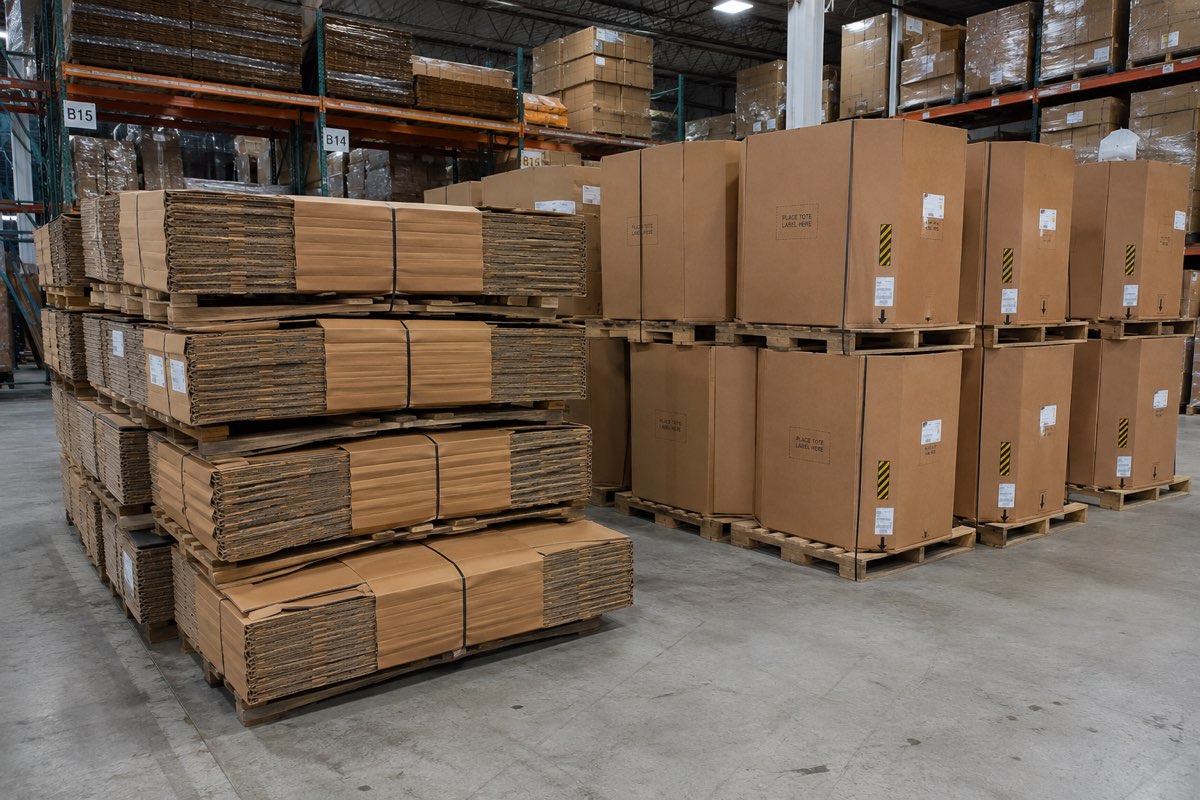
Knocked down and banded, or assembled. Specify bundle size if your forklift has a preference — 'bundles not to exceed X boxes' saves a lot of dock frustration.
10. Accessories in scope
Liners with gauge and type, pallets with grade, corner boards, banding. Sourcing these separately is how loads arrive incomplete.
11. Inspection and rejection rights
'Buyer may inspect within five business days of delivery and reject non-conforming lots with photographs.' Any supplier confident in their grading will agree to this without hesitation. The reaction to this clause tells you a lot.
The three phrases that cause the most trouble
- 'Good used boxes.' Means nothing. Every supplier's floor has a different definition and yours is not on it.
- 'Like new.' Either it is new or it is used. This phrase exists to blur a price difference.
- 'Assorted sizes.' Fine if you genuinely do not care, expensive if you do. State a footprint even when you will accept mixed heights.
What a good supplier will push back on
A useful signal: a serious supplier will argue with parts of your spec. Over-specified wall counts, grades tighter than your application needs, tolerances that used stock cannot meet economically. That pushback is the sound of someone who intends to fill the order rather than win it.
The suppliers who agree to everything instantly are the ones you will be having a different conversation with on delivery day.
- Corner board
- An L-shaped fiber or plastic profile placed on a box corner under banding to spread strap pressure and protect the corner.
- ECT
- Edge Crush Test. Pounds per linear inch a board edge withstands before buckling. The best single predictor of stacking performance.
- Grade (box)
- A condition classification for used boxes. 1A new, A one clean use, B up to two repairs, C multiple repairs, then scrap.
- Knocked down (KD)
- Shipped flat rather than assembled. Roughly four times more boxes per trailer, which is why almost all used inventory ships this way.
- Liner
- The flat facing sheets on either side of the fluted medium.
- Overhang
- Box extending past the pallet edge. One inch can cost 20% of stacking strength because the corners lose support.
- Pallet cap
- A corrugated cover placed over a loaded pallet or box to protect the top and enable stacking.
- Sleeve
- A four-sided corrugated body without top or bottom, used with a separate cap and base.
Priya Raman — Quote desk
Written on the yard at 1050 E Richey Rd, Houston. Everyone who writes here works the grading line, the baler, the routes or the quote desk — there are no guest posts and nothing on this blog is syndicated.